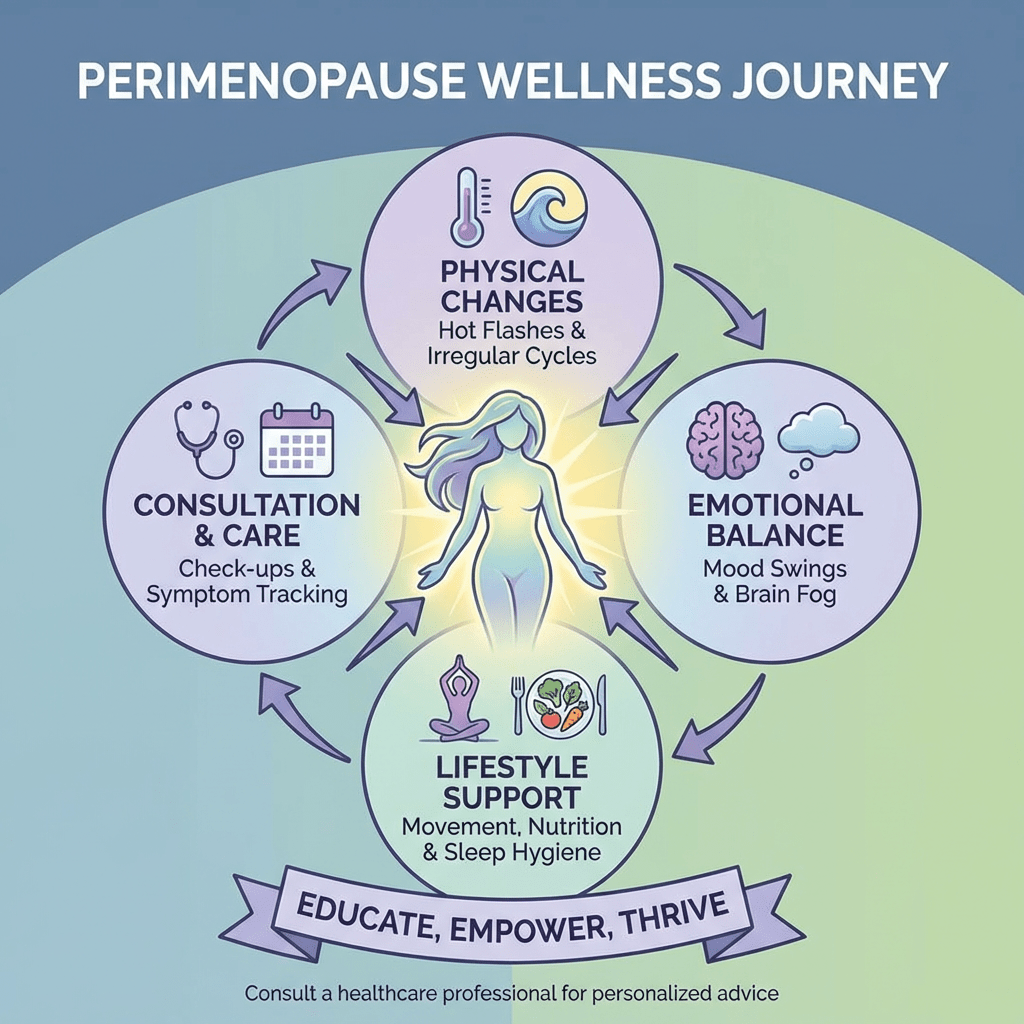
If you’re over 35 and starting to notice changes in your body, mood, or menstrual cycle, you may be entering perimenopause.
For many women, this stage can feel confusing, especially when symptoms seem to come out of nowhere. One month your cycle is normal, and the next you’re dealing with poor sleep, irritability, or heavy periods.
The good news? These changes are common, and understanding them early can help you take proactive steps to support your hormones, energy, and overall well-being.
Perimenopause is the transitional phase leading up to menopause, often beginning in the late 30s to early 40s, though it can start earlier for some women. During this time, ovarian hormone production becomes less predictable, especially estrogen and progesterone, which can lead to a wide range of symptoms.
Here are 10 early signs of perimenopause every woman over 35 should know.
1. Irregular Periods
One of the earliest and most common signs of perimenopause is a change in your menstrual cycle.
Your periods may:
- come earlier than usual
- become farther apart
- be lighter or heavier
- skip months altogether
Some women first notice shorter cycles, while others begin experiencing more unpredictable timing from month to month.
These changes happen because ovulation becomes less consistent as hormone levels begin to fluctuate.
2. Heavy Menstrual Bleeding
Many women notice that their periods become significantly heavier during perimenopause.
You may experience:
- heavier flow than normal
- longer periods
- clotting
- bleeding that lasts more than 7 days
This often occurs when cycles become anovulatory, meaning ovulation does not happen regularly. Without the balancing effects of progesterone, estrogen may stimulate more uterine lining buildup, leading to heavier shedding.
If bleeding is unusually heavy or prolonged, it’s important to discuss it with your healthcare provider.
3. Hot Flashes and Night Sweats
Hot flashes are one of the hallmark symptoms of the menopausal transition.
These may feel like:
- sudden waves of heat
- flushing of the face and chest
- sweating
- chills afterward
Night sweats are essentially hot flashes that occur during sleep and can significantly disrupt rest.
These symptoms are linked to fluctuating estrogen levels affecting the body’s internal temperature regulation.
4. Sleep Disturbances
Trouble sleeping is extremely common during perimenopause.
You may notice:
- difficulty falling asleep
- waking up in the middle of the night
- waking too early
- restless, unrefreshing sleep
While night sweats can certainly contribute, hormonal shifts alone can affect sleep quality even without sweating episodes.
Poor sleep can then worsen mood, cravings, and fatigue, creating a frustrating cycle.
5. Mood Swings and Irritability
If you’ve been feeling more emotionally reactive than usual, hormones may be playing a role.
Many women in perimenopause experience:
- increased irritability
- emotional sensitivity
- mood swings
- feeling overwhelmed more easily
Fluctuating estrogen and progesterone levels can affect neurotransmitters like serotonin, which influences mood stability.
For busy women balancing careers, families, and daily stress, these shifts can feel especially intense.
6. New-Onset Anxiety
Feeling more “on edge” than usual is another common early sign.
This can show up as:
- racing thoughts
- nervousness
- restlessness
- increased worry
- physical tension
Even women who have never struggled with anxiety before may notice symptoms during perimenopause.
Hormonal fluctuations, sleep disruption, and increased cortisol can all contribute.
7. Depression or Low Mood
Perimenopause can also increase vulnerability to low mood or depressive symptoms.
Some women notice:
- sadness
- loss of motivation
- low energy
- less interest in things they usually enjoy
- feeling emotionally flat
This transition can affect brain chemistry in ways that influence emotional well-being.
It’s important to take these symptoms seriously and seek support if they persist.
8. Brain Fog and Memory Changes
Many women describe this as one of the most frustrating symptoms.
Brain fog may include:
- forgetfulness
- difficulty concentrating
- trouble finding words
- poor focus
- feeling mentally slower
Hormonal shifts, poor sleep, and stress can all contribute to these cognitive changes.
The good news is that for many women, this is temporary and manageable with proper support.
9. Vaginal Dryness and Urinary Changes
Declining estrogen can affect the tissues of the vaginal and urinary tract.
Common symptoms include:
- vaginal dryness
- irritation
- discomfort with intercourse
- increased urinary urgency
- more frequent urinary tract infections
These symptoms are often under-discussed but are very common during perimenopause.
10. Joint and Muscle Pain
Many women are surprised to learn that hormone changes can contribute to body aches.
This may present as:
- stiff joints
- aching knees or hips
- back pain
- muscle soreness
- increased inflammation
Estrogen plays a role in supporting connective tissue, inflammation balance, and musculoskeletal health.
When It Might Be Something Else
While these symptoms are often related to perimenopause, they can overlap with other conditions such as:
- thyroid disorders
- chronic stress and adrenal dysregulation
- PCOS
- nutrient deficiencies
- depression or anxiety disorders
If symptoms are severe, persistent, or involve abnormal bleeding, it’s important to get evaluated.
Women over 45 with new or unusual heavy bleeding should speak with a healthcare provider promptly.
How to Support Your Body During Perimenopause
The good news is that support is available.
Helpful strategies may include:
- balanced blood sugar and protein intake
- regular movement and strength training
- stress management
- sleep optimization
- limiting alcohol
- targeted supplementation
- discussing hormonal or non-hormonal options with your provider
Early awareness can make a tremendous difference in how you feel.
Final Thoughts
Perimenopause is a natural life transition, but that does not mean you have to suffer through it without answers.
Recognizing the early signs can help you better understand your body and seek the right support sooner.
For women over 35, these changes are often the body’s first signals that hormone patterns are shifting.
Listening to those signals is one of the most powerful steps you can take for your long-term health.
Disclaimer: This article is intended for educational and informational purposes only and is not intended to diagnose, treat, or replace medical advice from your healthcare provider. Please consult a qualified medical professional regarding any symptoms, diagnosis, or treatment options.

 Hot Flashes & Cold Brew
Leave a comment